
The Pros & Cons of AGM Car Batteries
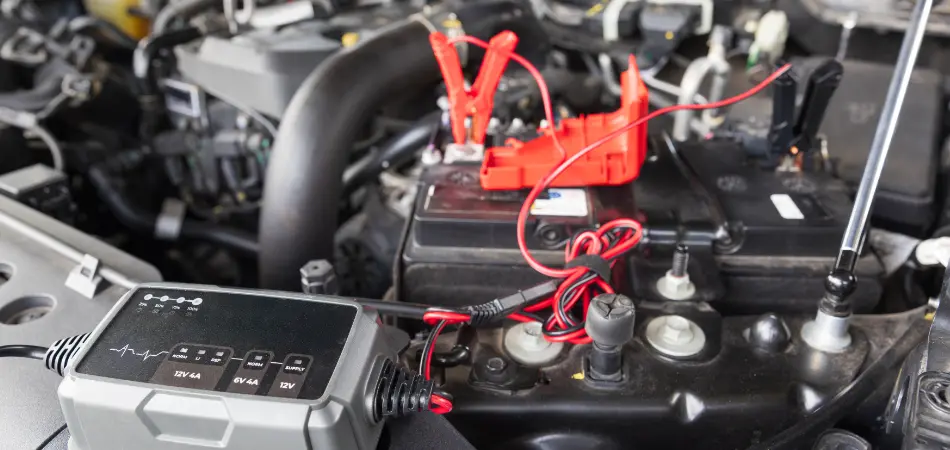
AGM (Absorbent Glass Mat) batteries are a high-performance upgrade over traditional car batteries, offering more power, faster charging, and longer lifespan. They’re durable, maintenance-free, spill-proof, and perform well in extreme temperatures — but they cost more and require careful charging.
So, are they worth it? Let’s break down how AGM batteries work, their pros and cons, and when they make the most sense for your vehicle.
What Is an AGM Car Battery?
An AGM battery is a type of lead-acid battery with a more advanced, sealed design. Instead of free-flowing liquid acid, it uses ultra-thin fiberglass mats to hold the acid in place, making it spill-proof, more durable, and vibration-resistant.
Originally developed for military aircraft, AGM technology is now widely used in modern vehicles with advanced electronics and start-stop systems.
The Pros of AGM Car Batteries
AGM batteries offer several distinct advantages over standard flooded lead-acid batteries.
Longer Lifespan
AGM batteries typically outlast traditional car batteries. Their internal design minimizes the shedding of active materials from the battery plates.
- Average lifespan: AGM batteries usually last between three and five years, and sometimes up to six years under ideal conditions.
- Deep cycle ability: They can discharge deeper and more frequently without suffering permanent damage.
- Less degradation: The tightly packed fiberglass mats prevent the internal components from wearing out prematurely.
Faster Charging Times
If you take short trips, your alternator has little time to recharge your battery. AGM batteries solve this problem through high charge acceptance.
- Quick recovery: An AGM battery charges up to five times faster than a standard battery.
- Better efficiency: The low internal resistance allows the battery to accept electrical current rapidly.
- Ideal for short commutes: You’re less likely to end up with a dead battery after a week of running quick errands.
Superior Durability & Vibration Resistance
Potholes, dirt roads, and off-road driving can destroy a traditional battery. AGM batteries can handle physical abuse.
- Shock absorption: The fiberglass mats cushion the lead plates, absorbing heavy impacts.
- Fewer internal shorts: Tightly compressed plates prevent movement that can cause internal shorts.
- Off-road ready: AGM batteries are highly recommended for trucks, Jeeps, and off-road vehicles.
Spill-Proof & Maintenance-Free
Traditional batteries require occasional topping off with distilled water and must remain upright to prevent acid leaks. AGM batteries are completely sealed.
- Mounting flexibility: You can mount an AGM battery at almost any angle without risking a leak.
- Zero maintenance: You never need to check fluid levels or add water.
- Corrosion resistance: Sealed designs produce fewer gas emissions, dramatically reducing the corrosion buildup on your battery terminals.
Excellent Cold Weather Performance
Cold weather slows chemical reactions in a battery, reducing its starting power. AGM batteries handle extreme temperatures efficiently.
- Higher Cold Cranking Amps (CCA): AGM batteries deliver a massive burst of power to start your engine, even in freezing conditions.
- Freeze resistance: The absorbed acid is far less likely to freeze and crack the battery case.
The Cons of AGM Car Batteries
Despite these significant performance upgrades, AGM batteries do come with some disadvantages.
Higher Upfront Cost
The biggest barrier to entry for most drivers is the price tag.
- Premium pricing: AGM batteries often cost 50% to 100% more than standard flooded-lead-acid batteries.
- Manufacturing complexity: The specialized fiberglass mats and strict manufacturing tolerances drive up the production cost.
- Value proposition: While they last longer, the initial hit to your wallet is significant.
Sensitivity to Overcharging
AGM batteries require precise charging voltages. Pumping too much power into an AGM battery will permanently damage it.
- Smart chargers required: You can’t use a cheap, old-school trickle charger on an AGM battery. You need a microprocessor-controlled “smart” charger.
- Alternator issues: If your older vehicle has a faulty voltage regulator, it could overcharge and destroy a new AGM battery.
- Thermal runaway: Severe overcharging can heat the battery, dry out the glass mats, and cause it to fail completely.
Reduced Capacity When Fully Discharged
While they handle minor discharges well, you should never completely drain an AGM battery.
- Capacity loss: Draining the battery to zero can permanently reduce its total power capacity.
- Difficult recovery: A deeply discharged AGM battery often tricks standard chargers into thinking it’s defective, requiring specialized equipment to force a charge.
Who Should Use an AGM Battery?
So, who should choose an AGM battery? Not every driver needs one, as a standard flooded battery suits most older or basic vehicles. However, an AGM battery is especially recommended in these situations:
- Vehicles with Start-Stop Technology: If your engine shuts off at stoplights, an AGM battery is required to keep the electronics running and restart the engine frequently.
- High Electrical Demands: Vehicles equipped with aftermarket audio systems, dash cams, winches, or heated seats need the deep-cycling capability of an AGM battery.
- Extreme Climates: Drivers living in areas with harsh winters or extreme summer heat will benefit from the robust temperature resistance.
- Infrequent Drivers: If your car sits for weeks at a time, an AGM battery holds its charge better and resists degradation during storage.
How to Maintain Your AGM Battery
To get the most out of your investment, follow these simple maintenance steps:
- Keep it clean: Wipe dirt and grease off the battery casing to prevent parasitic power drains.
- Clean the terminals: Even though AGM batteries resist corrosion, wipe down the battery posts with a wire brush every few months.
- Check your alternator: Ensure your vehicle’s charging system is outputting the correct voltage (typically between 13.8 and 14.8 volts).
- Use a maintainer: If you park your car for extended periods, hook the battery up to an AGM-compatible smart maintainer to keep it at an optimal charge level.
Conclusion
Overall, AGM car batteries provide superior reliability, longevity, and power, making them an excellent choice for modern vehicles packed with advanced electronics.
While the upfront cost may be higher, the reduced maintenance requirements and longer lifespan can make them a smart investment for those seeking reliability in any condition.
Evaluate your driving habits, check your vehicle’s manual, and decide if the premium performance of an AGM battery aligns with your needs.
FAQs: AGM Battery Pros & Cons
Can I replace a standard battery with an AGM battery?
Yes. Upgrading from a standard flooded battery to an AGM battery is a simple drop-in replacement for almost all vehicles. It will provide better starting power and handle electrical loads more efficiently. However, you should never downgrade from an AGM to a standard battery if your vehicle came with an AGM from the factory.
Do AGM batteries need water?
No. AGM batteries are completely sealed and maintenance-free. The internal fiberglass mats absorb the required electrolyte. You never need to open them, and you can’t add distilled water to them.
How long do AGM car batteries last?
An AGM battery generally lasts between three and five years, depending on your driving habits and climate. In vehicles driven regularly under optimal conditions, they can sometimes last up to six years, significantly outperforming standard lead-acid batteries.
Can I use a regular battery charger on an AGM battery?
You should avoid using older, manual battery chargers. AGM batteries require specific charging profiles and are highly sensitive to overcharging. Always use a modern, microprocessor-controlled “smart” charger that has a dedicated AGM setting.
Why are AGM batteries so expensive?
AGM batteries cost more because of their complex manufacturing process. They use high-purity lead, ultra-thin fiberglass separators, and specialized valves to seal the unit. This sturdy construction delivers better performance but drastically increases production costs.
How do I know if my car needs an AGM battery?
If your car features automatic start-stop technology, heavily relies on computer systems, or came with an AGM battery from the factory, you must replace it with an AGM battery. Using a standard battery in these vehicles will cause rapid battery failure.
Can you jump-start a car with an AGM battery?
Yes. You can jump-start a car equipped with an AGM battery using standard jumper cables or a portable lithium jump starter. The process is identical to jump-starting a traditional lead-acid battery. Ensure you connect the positive and negative clamps to the correct terminals.
Does cold weather affect AGM batteries?
All batteries lose some efficiency in cold weather, but AGM batteries handle freezing temperatures far better than standard batteries. Their sealed design and low internal resistance deliver high cold-cranking amps to start your car on cold winter mornings.
More Articles
0 Comments