
How to Clean Battery Acid from Concrete: A Step-by-Step Guide
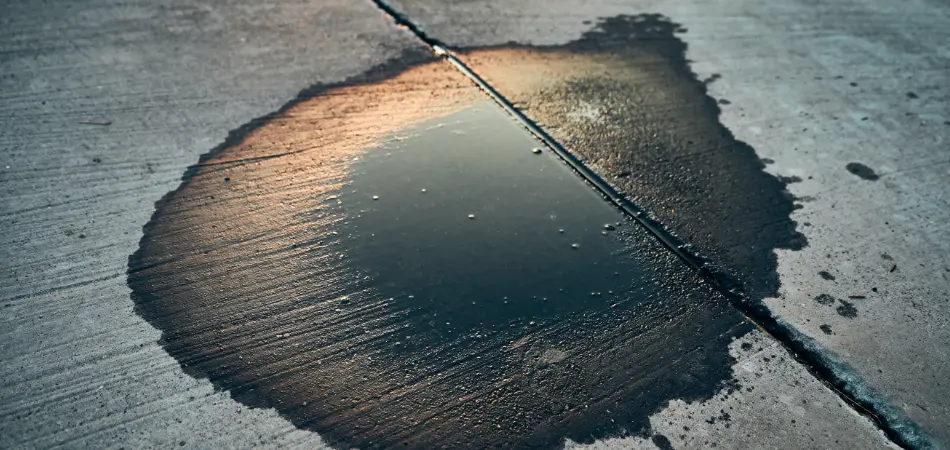
Battery acid spills are dangerous and damaging. A leaking car or golf cart battery can leave sulfuric acid on your concrete, where it reacts with the cement, causing stains, surface damage, and permanent pitting if left untreated.
Ignoring the spill allows the acid to soak deeper into the concrete, weakening it over time. Cleaning it can be risky — products like bleach can release toxic fumes.
However, with the right materials and process, you can safely stop the chemical reaction and remove the residue before further damage occurs.
Respect the Acid
The liquid leaking from a lead-acid battery is sulfuric acid, a highly corrosive substance. It can cause severe burns to the skin and blindness if it splashes into your eyes. It also produces fumes that can irritate your respiratory system.
Equip yourself with the following personal protective equipment:
- Chemical-splash goggles: Standard safety glasses might not seal against splashes.
- Acid-resistant gloves: Nitrile or heavy-duty rubber gloves are best. Avoid cotton or leather gloves, as acid soaks right through them.
- Long sleeves and pants: Cover as much skin as possible.
- Face mask or respirator: Essential if working in a poorly ventilated area.
- Ventilation: Open all garage doors and windows. If you’re in a basement or enclosed shop, position fans to blow fumes away from you.
Critical Warning: Never mix battery acid with chlorine bleach. This combination creates deadly chlorine gas. Clear the workspace of any other chemical cleaners before starting.
Gather Your Materials
You likely have most of the necessary items in your pantry or workshop. The goal is to create a base solution that will chemically neutralize the acid.
- Neutralizer: Baking soda (sodium bicarbonate) or soda ash works best for small spills. For larger industrial spills, agricultural lime is effective.
- Absorbent material: Kitty litter (clay-based), sawdust, or vermiculite.
- Water source: A garden hose or several gallons of water in buckets.
- Scrubbing tool: A stiff-bristled nylon brush or a push broom. Don’t use wire brushes, whose metal can react with the acid or create sparks.
- Container for waste: A heavy-duty plastic trash bag or a plastic bucket.
- Litmus paper (Optional): This helps verify that the acid is fully neutralized.
Step 1: Isolate & Contain the Spill
Your first priority is containment. You want to stop the acid from reaching drains, soil, or other equipment.
- Use your absorbent material to create a barrier around the perimeter of the spill.
- If the acid is near a floor drain, block the drain immediately. You can’t allow acidic runoff to enter the sewage or storm drain system.
- Keep children and pets out of the area until the job is done and the floor is dry.
Step 2: Neutralize the Acid
This is the most critical step. You can’t simply wipe up the acid; you must chemically neutralize it.
- Apply the baking soda: Pour a generous amount of baking soda directly onto the spill. You want to cover the entire wet area.
- Add water carefully: If the spill is already dried or thick, lightly mist it with water. You need moisture to facilitate the reaction between the baking soda and the acid.
- Watch for the reaction: You’ll see bubbling and fizzing. This indicates that the baking soda is reacting with the sulfuric acid, producing harmless carbon dioxide and water.
- Wait: Let the mixture sit and fizz until the bubbling stops completely. This usually takes a few minutes. If you stir it, and it bubbles again, add more baking soda.
Step 3: Scrub & Rinse
Remove the residue once the fizzing has ceased and the spill is no longer hazardous.
- Scrub the area: Take your nylon brush and scrub the baking soda paste into the concrete. This ensures you get down into the pores of the cement where the acid might be hiding.
- Check the pH (Optional): If you have litmus paper, touch it to the wet paste. You’re looking for a pH between 6 and 8. If it’s still red (acidic), repeat the baking soda application.
- Rinse: Thoroughly rinse the area with water.
Note on Rust Stains: Even after the acid is neutralized, you may be left with an orange rust stain. This is different from the acid itself. To clean the rust stain, you’ll need a dedicated concrete rust remover, applied after the acid cleanup is finished and the floor is dry.
Step 4: Disposal
You’re now left with a wet sludge of neutralized acid and baking soda. While less dangerous than raw acid, this sludge can still contain lead and other heavy metals from the battery.
- Don’t hose it into the street: Storm drains flow directly into waterways. Heavy metals are toxic to aquatic life.
- Absorb the sludge: Pour fresh kitty litter or sawdust over the wet slurry to soak it up.
- Bag it: Scoop the solid waste into a heavy-duty plastic bag. Double-bag it to be safe.
- Dispose: Label the bag “Neutralized Battery Acid/Lead Waste” and take it to your local hazardous waste disposal facility or an auto parts store that accepts battery waste. Don’t throw it in your household trash bin.
Preventing Future Damage
- Install Battery Mats: Place acid-resistant rubber mats under all vehicles, golf carts, or battery storage racks. These mats trap leaks before they hit the cement.
- Use Drip Trays: Plastic drip trays are a cost-effective solution for stationary battery banks.
- Regular Inspection: Check your batteries for bulging cases or corrosion around the terminals. These are early signs of potential leaks.
- Smart Charging: Overcharging lead-acid batteries causes the electrolyte to boil and expand, forcing liquid out of the vents. Use a smart charger that automatically shuts off.
FAQs: Cleaning Battery Acid
Q: Can I use vinegar to clean battery acid?
No. Vinegar is a mild acid (acetic acid). Adding acid to acid won’t neutralize it or clean the spill. You need a base, such as baking soda or lime, to effectively neutralize sulfuric acid.
Q: Is it safe to use bleach on battery acid?
Absolutely not. Mixing chlorine bleach with sulfuric acid (battery acid) produces chlorine gas, which is potentially lethal if inhaled. Never use bleach to clean up battery leaks.
Q: Why is the concrete turning white or crumbling?
Sulfuric acid reacts with the calcium hydroxide in the concrete paste. This reaction dissolves the cement binder, leaving behind a soft, white, crumbly surface. This is permanent structural damage, which is why immediate cleanup is vital.
Q: Can I paint over a battery acid stain?
You can paint over the area, but only after it has been thoroughly neutralized, rinsed, and dried. If you paint over active acid, the paint will bubble and peel within days. You may also need to use a concrete patch if the acid has pitted the surface.
Q: What if I don’t see any bubbling when I add baking soda?
If there’s no bubbling, it likely means one of two things: either the spill was not actually acid (it might be water or oil), or the acid has already dissipated/neutralized over time. However, it’s always safer to treat it as an active acid and scrub/rinse accordingly.
Q: Can I use Coca-Cola to clean the acid?
Things go better with Coke, right? Wrong. Coca-Cola contains phosphoric acid and sugar. It will leave a sticky mess and won’t neutralize the sulfuric acid as effectively or cheaply as baking soda.
Q: How do I remove the orange stain left behind after neutralizing?
The orange stain is rust caused by the acid oxidizing iron in the concrete. Once the acid is neutralized and removed, treat the remaining discoloration with a commercial concrete rust remover or a paste made of lemon juice and tartar.
Q: Is muriatic acid good for cleaning battery acid?
No. Muriatic acid is a strong acid often used to etch concrete. Using it on battery acid adds more acid to the problem. Muriatic acid is for cleaning masonry, not for neutralizing acidic spills. Stick to alkaline bases like baking soda.
More Articles
0 Comments