
How Batteries Work: A Simple Explanation
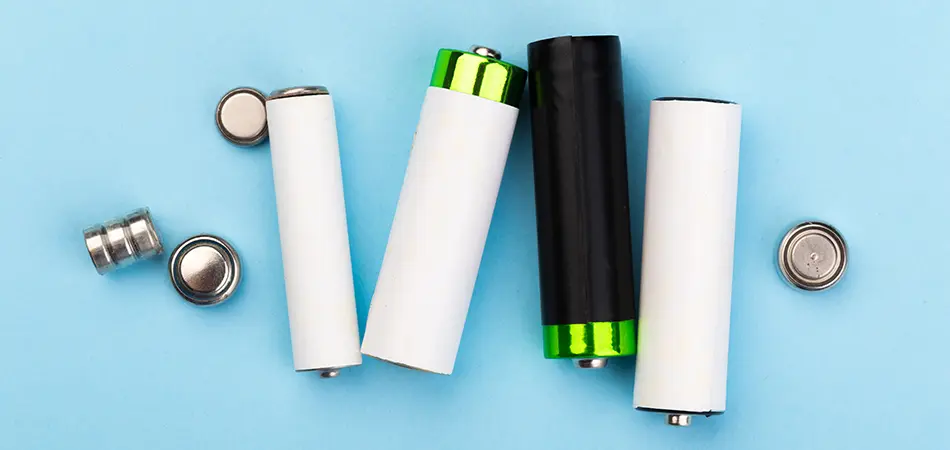
A battery is a compact energy storage device that converts chemical energy into electrical energy. It contains two terminals — an anode (negative) and a cathode (positive) — immersed in an electrolyte, which allows ions to move and generate an electric current when the terminals are connected.
Batteries power everything from small electronics like phones and alarm clocks to larger systems like electric vehicles.
In this guide, we’ll break down the science of batteries into simple terms. You will learn:
- The core components of every battery
- How chemical reactions create electricity
- The difference between rechargeable and single-use batteries
- The most common types of batteries you use daily
The Core Components of a Battery
Every battery, regardless of its size or shape, relies on three components to function. Without all three working together, the battery cannot produce power.
- The Anode (Negative Terminal): This holds a surplus of electrons. When a battery is connected to a circuit, electrons flow out of the anode.
- The Cathode (Positive Terminal): This terminal attracts electrons. As electrons leave the anode and travel through your device, they return to the battery through the cathode.
- The Electrolyte: This chemical medium separates the anode and cathode. It allows ions to move between the two terminals while blocking the direct flow of electrons inside the battery.
To prevent the anode and cathode from touching directly and causing a short circuit, batteries also include a physical barrier called a separator.
The Magic Behind the Power: Chemical Reactions
Batteries don’t store electricity. Instead, they store chemical energy. When you connect a battery to a device, a pair of chemical reactions occurs. Scientists call this process an oxidation-reduction reaction, or a “redox” reaction.
- Oxidation: This happens at the anode. The chemicals react with the electrolyte, causing the anode to release electrons.
- Reduction: This happens at the cathode. The cathode accepts those free-flowing electrons, completing the chemical exchange.
Because the electrolyte prevents electrons from traveling straight across the inside of the battery, they’re forced to find another path. That path is the electrical circuit of your device.
How Batteries Produce Power
Understanding the flow of a battery makes it much easier to grasp how they work. Think of it like a water pump pushing water through a pipe to turn a waterwheel.
Here is exactly what happens when you put a battery in a flashlight and flip the switch:
- The circuit closes: Turning on the flashlight completes the electrical circuit, connecting the anode to the cathode.
- The chemical reaction begins: Oxidation occurs at the anode, creating an accumulation of electrons.
- Electrons seek balance: Because electrons repel each other, they want to move to an area with fewer electrons — the cathode.
- Electrons power the device: They travel from the anode through the flashlight’s wires into the lightbulb. This movement of electrons is the electric current that lights up the bulb.
- The journey ends: The electrons return to the battery through the cathode, where the reduction reaction takes place.
This process continues until the chemical reaction depletes all its potential. Once the chemicals can no longer react, the battery is dead.
Primary vs. Secondary Batteries: What is the Difference?
Primary Batteries (Single-Use)
Primary batteries are designed to be used once and then discarded. The chemical reactions that take place inside them are strictly one-way. Once the anode’s chemical supply of electrons runs out, the reaction stops permanently.
You typically use primary batteries in low-drain devices because they have a long shelf life and hold their charge well over time.
Examples of primary batteries include:
- Standard AA and AAA alkaline batteries
- Watch batteries (coin cells)
- Pacemaker batteries
Secondary Batteries (Rechargeable)
Secondary batteries can be used, drained, and recharged hundreds or even thousands of times. The chemical reactions inside these batteries are reversible.
When you plug your phone into the wall, electrical energy from the outlet forces the electrons to flow in the opposite direction. They travel back from the cathode to the anode, restoring the battery’s chemical energy.
Examples of secondary batteries include:
- Smartphone and laptop batteries
- Electric vehicle batteries
- Rechargeable power tool batteries
Common Types of Batteries
Different devices require different power levels. As a result, engineers have developed various battery chemistries over the years. Here are the most common battery types you’ll encounter.
Alkaline Batteries
Alkaline batteries are the standard primary batteries you buy at the grocery store. They get their name from the alkaline electrolyte used inside them, usually potassium hydroxide.
- Best used for: TV remotes, smoke detectors, wall clocks, and flashlights.
- Pros: Cheap, easy to find, and safe to store for long periods.
- Cons: Cannot be recharged and can leak corrosive acid if left in devices too long.
Lithium-Ion Batteries
Lithium-ion batteries are rechargeable, incredibly lightweight, and pack a massive amount of energy into a small space. Lithium ions move from the negative electrode to the positive electrode during discharge and back when charging.
- Best used for: Smartphones, laptops, tablets, and electric vehicles.
- Pros: Highly rechargeable, low maintenance, and high energy density.
- Cons: More expensive to manufacture and sensitive to extreme heat.
Lead-Acid Batteries
Invented in the 1850s, lead-acid batteries are the oldest rechargeable battery type still in use today. They’re heavy, bulky, and use a liquid sulfuric acid electrolyte. Despite their weight, they deliver a massive surge of power all at once.
- Best used for: Starting gasoline and diesel car engines, golf carts, and backup power supplies.
- Pros: Reliable, inexpensive to produce, and capable of high power output.
- Cons: Very heavy, contain toxic lead, and require careful disposal.
Why Do Batteries Run Out of Juice?
Even rechargeable batteries eventually stop working. You may have noticed that a two-year-old smartphone doesn’t hold a charge as well as it did when it was brand new.
This happens because the chemical reactions inside the battery are never 100% efficient. Over time, several things occur inside the battery casing:
- Internal resistance increases: The internal components degrade, making it harder for electrons to flow smoothly.
- Active materials deplete: The chemicals that create the reaction slowly break down and become inactive.
- Physical changes: In lithium-ion batteries, tiny crystal structures called dendrites can form on the electrodes, reducing the battery’s capacity and potentially causing short circuits.
Eventually, the battery loses so much of its original capacity that it can no longer power your device effectively.
The Future of Battery Technology
As we shift toward renewable energy and electric vehicles, engineers are racing to build better, safer, and more powerful batteries.
Here are some of the innovations shaping the future of battery power:
- Solid-State Batteries: Instead of liquid electrolytes, these use solid materials. This makes them much safer, less prone to catching fire, and capable of storing more energy.
- Sodium-Ion Batteries: Lithium is expensive and difficult to mine. Sodium is cheap and abundant (found in seawater). Sodium-ion batteries could provide a more affordable and eco-friendly alternative for large-scale energy storage.
- Ultra-Fast Charging: Researchers are developing new anode materials that could allow electric car batteries to charge fully in just ten minutes.
Making the Most of Your Batteries
To get the most out of your batteries, keep these practical tips in mind:
- Store them properly: Keep batteries at room temperature. Extreme heat degrades battery chemicals quickly, while freezing cold can cause internal damage.
- Don’t mix and match: Never mix old and new batteries, or different brands, in the same device. The stronger battery will try to charge the weaker one, potentially causing leaks.
- Recycle responsibly: Never throw batteries in the regular trash. Primary batteries can leak harmful chemicals into landfills, and lithium-ion batteries can easily start fires in garbage trucks. Always take them to a designated e-waste recycling center.
FAQs About Batteries
Q: Can all types of batteries be recycled?
Rechargeable batteries, such as lithium-ion or nickel-cadmium, can be recycled at specialized e-waste centers. However, some single-use alkaline batteries may not always be accepted depending on local regulations.
Q: What happens if I throw batteries in the trash?
Disposing of batteries in regular trash can lead to serious environmental hazards. Harmful chemicals can leak into the soil and water supply, and lithium-ion batteries can catch fire, posing significant safety risks.
Q: How can I store old batteries safely before recycling?
Store old batteries in a cool, dry place, away from flammable materials. It’s recommended to tape the terminals of rechargeable or lithium-ion batteries to prevent accidental short circuits.
Q: Why do batteries leak?
Battery leaks usually occur when the battery is old, damaged, or improperly stored. Leaks happen when the battery’s chemical components degrade over time and compromise the casing.
Q: How can I identify a damaged battery?
Look for signs such as corrosion, bulging, cracks, or leaks. A swollen or overheating battery is also a clear indication of damage and should be handled with care.
Q: Are rechargeable batteries better for the environment than single-use batteries?
Yes, rechargeable batteries are more environmentally friendly. They reduce waste because they last much longer than disposable batteries, and they can be recycled at the end of their lifespan.
Q: What should I do if my battery leaks?
Handle it with gloves to avoid direct contact with the chemicals. Clean the affected area with a mild solution of water and baking soda (for alkaline batteries) or vinegar (for acidic leaks), and dispose of the battery responsibly.
Q: How long do batteries typically last?
Battery life varies depending on the type and usage. Alkaline batteries may last 5-10 years in storage, while rechargeable batteries can last hundreds of charge cycles before performance declines.
More Articles
0 Comments