
The World’s Most Unusual Uses for Batteries
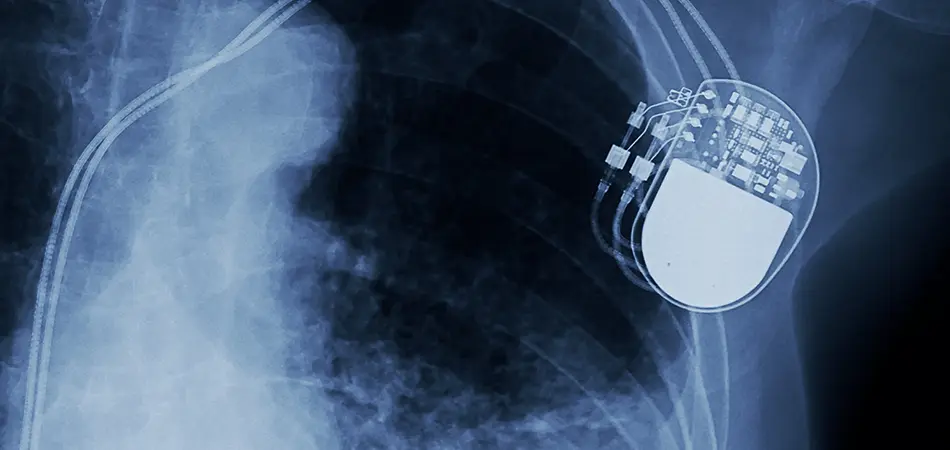
Batteries power much more than just remotes and phones.
They help run medical implants, track wildlife, light emergency roads, and even bring art to life. As battery technology improves, these tiny power sources are showing up in some surprising places.
In this post, we’ll explore some of the strangest and most creative uses for batteries — and why they’re far more interesting than most people think.
Why batteries show up in surprising places
Batteries offer three things many systems need:
Portability
- They work where wires cannot reach
- They support devices on the move
- They make remote operation possible
Reliability
- Many battery systems work during power outages
- Modern cells can hold power for long periods
- Some are built to survive heat, cold, and shock
Flexibility
- Batteries come in many sizes
- Engineers can match power output to the job
- Rechargeable designs lower waste over time
That mix has opened the door to some truly unusual battery-powered tools and systems.
1. Batteries that power medical implants
Pacemakers and other life-supporting devices
Medical batteries power:
- Pacemakers
- Defibrillators
- Neurostimulators
- Drug delivery pumps
- Hearing devices
These batteries are unusual because:
- They must work for years without failure
- They need to be very small
- They must be safe inside the body
- They often use special lithium-based chemistry built for long life
A pacemaker battery, for example, can last 5 to 15 years depending on the device. That long life matters because replacing the battery often means another invasive medical procedure.
Why this use stands out
- The battery is hidden inside the body
- Failure is not just annoying; it can be life-threatening
- Design standards are extremely strict
This is a powerful reminder that, in some cases, batteries are essential to survival.
2. Batteries used to track wildlife
Scientists often study animals in places with no fixed power source. That makes batteries critical.
Tiny power sources for big discoveries
Battery-powered tracking tags are attached to:
- Sea turtles
- Whales
- Birds
- Wolves
- Polar bears
- Migratory fish
These devices can:
- Record movement
- Send GPS location data
- Measure temperature
- Track dive depth
- Monitor behavior over time
Because many animals travel huge distances, researchers need batteries that are:
- Lightweight
- Durable
- Long-lasting
- Resistant to water and extreme weather
What makes this unusual
A battery might help answer questions such as:
- Where do endangered animals migrate?
- How does climate change affect feeding habits?
- Which habitats need protection most?
In other words, a battery inside a tracking tag can support global conservation work.
3. Batteries in smart road and traffic systems
Flashing lane markers and solar road studs
In some areas, battery-backed road devices help improve safety by powering:
- Flashing crosswalk lights
- Embedded road markers
- Portable warning signs
- Speed display units
- Temporary traffic systems in construction zones
Many of these devices pair:
- Small solar panels
- Rechargeable batteries
- LED lighting
That setup lets them keep working at night or in poor weather.
Why it matters
- Drivers get clearer visual signals
- Temporary systems can be set up fast
- Remote roads don’t need full grid connections
This is unusual because the battery becomes part of the road itself.
4. Batteries that support space missions
Space is one of the harshest places for any power system.
Beyond the simple household battery
Batteries are used in:
- Satellites
- Space suits
- Rovers
- Scientific instruments
- Backup systems on spacecraft
These battery systems must handle:
- Intense radiation
- Severe temperature swings
- Long periods without maintenance
- Strict weight limits
Rechargeable lithium-ion batteries are common in modern spacecraft because they offer strong energy density. That means they store a lot of energy for their size and weight.
A truly unusual role
- A battery may help power a rover on Mars
- It may support life-support tools in a space suit
- It may keep key systems alive during orbital darkness
This may be the most dramatic example of batteries going far beyond the TV remote.
5. Batteries in wearable art and fashion
Some unusual battery uses are about creativity, and not science or survival.
Power for light, motion, and sound
Designers now use batteries in:
- LED dresses
- Glowing festival outfits
- Interactive stage costumes
- Light-up jewelry
- Fashion pieces with moving parts
Small battery packs make it possible to blend technology with style. In live performance, battery-powered costumes can change color, pulse to music, or react to movement.
Why this use is so interesting
- The battery becomes part of the design
- Fashion turns into a moving display
- Art and engineering meet in one object
This kind of battery use may sound playful, but it has helped grow the field of wearable tech.
6. Batteries in ocean monitoring equipment
The ocean is vast, rough, and hard to wire for power. Batteries solve that problem.
Silent helpers below the surface
Battery-powered ocean devices include:
- Buoys
- Underwater sensors
- Wave monitors
- Weather stations
- Water quality trackers
These tools collect data such as:
- Ocean temperature
- Salinity
- Wave height
- Pollution levels
- Storm activity
In many cases, the devices must run for months in isolated areas.
Why it’s unusual
- Salt water is tough on electronics
- Maintenance trips are expensive
- Equipment often sits far from shore
Battery systems enable remote marine science. Without them, gathering steady data from the sea would be far harder and more costly.
7. Batteries in emergency escape and rescue systems
Some batteries are never noticed until something goes wrong.
Hidden power in critical moments
Batteries support emergency systems such as:
- Exit signs
- Backup stairwell lights
- Emergency radios
- Rescue beacons
- Avalanche transceivers
- Portable defibrillators
These systems are designed to work when the main power supply fails.
That makes batteries vital in:
- Hospitals
- Airplanes
- Ships
- Office towers
- Mountain rescue operations
What makes this use remarkable
Most people never think about these batteries. Yet during fires, storms, crashes, or blackouts, they may guide people to safety or help save a life.
It’s a quiet but powerful use.
8. Batteries in remote farming and livestock tools
Agriculture has also found unusual ways to use batteries.
Power in fields, barns, and pastures
Battery-powered farm tools can include:
- GPS livestock collars
- Electric fencing
- Soil sensors
- Automatic feeders
- Irrigation controllers
- Remote cameras
These tools help farmers:
- Track animal movement
- Monitor crop conditions
- Reduce labor
- Save water
- Protect animals from predators
Some systems use solar charging with battery backup, which is useful in large rural areas far from fixed power lines.
Why this counts as unusual
When people think of batteries, they rarely picture cows, fences, or soil health monitors. But modern farming increasingly relies on battery-powered tech.
What these unusual battery uses tell us
Batteries excel where power must be:
- Mobile
- Hidden
- Remote
- Reliable
- Lightweight
- Independent from the grid
That’s why they show up in so many unexpected places, including:
- The human body
- Deep ocean equipment
- Wildlife research
- Space hardware
- Fashion shows
- Emergency rescue tools
As battery technology continues to improve, we will likely see even stranger and smarter uses.
The future of unusual battery applications
Several trends are pushing battery innovation forward:
Smaller designs
- Better for medical tools and wearables
- Easier to fit into compact devices
Longer life
- Essential for remote sensors and tracking systems
- Reduces maintenance and replacement costs
Safer chemistry
- Important for consumer products and implantable devices
- Helps lower overheating risks
Greener production
- Growing demand for recycling and reuse
- More focus on reducing mining impact
Flexible materials
- Useful for clothing, patches, and bendable electronics
- Expands what designers can create
This means the next wave of unusual uses may include smart bandages, battery-powered packaging sensors, or even ultra-thin batteries built into paper-like materials.
Final thoughts
Batteries are easy to overlook, yet they support some of the most important tools in the world.
They help doctors treat patients, scientists track wildlife, engineers study the ocean, and artists build unforgettable experiences. They also keep people safe during emergencies and are indispensable in modern farming.
So the next time you replace a battery at home, remember: the same basic idea may also be helping a sea turtle migrate, lighting an escape path, or powering a machine millions of miles from Earth.
FAQs: Unusual Battery Use
Q: What is the most unusual use of batteries?
One of the most unusual uses is in medical implants like pacemakers, where batteries work inside the human body for years.
Q: How do batteries help wildlife research?
They power tracking tags and sensors that record movement, location, and environmental data for animals.
Q: Why are batteries important in emergency systems?
They provide backup power when the main electricity fails, helping run exit signs, rescue beacons, and emergency lights.
Q: How do ocean sensors use batteries?
Ocean devices use batteries to collect data for long periods in remote areas without wired power.
Q: Why are batteries so useful in farming?
They power remote tools like electric fences, livestock trackers, soil sensors, and irrigation controls.
Q: Will unusual battery uses keep growing?
Very likely. As batteries get smaller, safer, and more efficient, they will support even more creative and specialized devices.
More Articles
0 Comments