
10 Fun Facts About Batteries You Didn’t Know
Batteries power everything from smartphones and cars to home energy systems. Yet most people know little about how they work, where they came from, or how quickly battery technology is evolving.
These 10 facts reveal the history, science, and future of the batteries we depend on every day.
1. The First Battery Was Invented Over 200 Years Ago
Alessandro Volta created the first true battery in 1800, called the “voltaic pile.” It was a stack of alternating zinc and copper discs separated by brine-soaked cloth. No fancy chemistry lab, no high-tech materials.
- It produced a steady electric current, which was revolutionary at the time
- The unit of electrical potential, the volt, is named after Volta
- Modern batteries still use the same basic principle: two different materials separated by an electrolyte
Why it matters: Every battery in your home traces its lineage directly to that simple stack of metal discs.
2. Batteries Don’t Actually Store Electricity
This one surprises most people. Batteries don’t store electricity — they store chemical energy and convert it to electrical energy on demand.
- Inside a battery, a chemical reaction moves electrons from one terminal (negative) to the other (positive)
- When you connect a device, you complete the circuit, and electrons flow through it
- Recharging a battery reverses that chemical reaction
Why it matters: This explains why batteries degrade over time. Every charge cycle causes tiny changes in the chemical structure, reducing capacity.
3. Extreme Temperatures Are a Battery’s Worst Enemy
Your phone battery drains faster in cold weather. Your car struggles to start on a freezing morning.
- Cold temperatures slow down the chemical reactions inside a battery, reducing output
- Heat accelerates chemical breakdown, permanently shortening battery life
- The ideal operating range for most lithium-ion batteries is 59°F to 77°F
Why it matters: Don’t leave your devices or power tools in a hot car or a cold garage for extended periods. It shortens their lifespan.
4. A Single AA Battery Can Power an LED for Over 1,000 Hours
AA batteries are modest little things, but they pack a surprising punch.
- A standard alkaline AA holds about 2,500–3,000 mAh (milliampere) of energy
- A low-power LED light draws roughly 20 mA
- That math works out to 125+ hours at full brightness — and much longer at lower settings
Why it matters: Choosing energy-efficient devices dramatically extends battery life. It’s a simple upgrade that saves money and reduces waste.
5. Rechargeable Batteries Have a Finite Number of Charge Cycles
Most rechargeable batteries are rated for a specific number of charge cycles before their capacity noticeably drops.
- Lithium-ion batteries (phones, laptops, tools): 300–500 full cycles before hitting ~80% capacity
- NiMH batteries (AA/AAA rechargeables): 500–1,000 cycles
- Newer lithium iron phosphate (LiFePO4) batteries: 2,000+ cycles
Why it matters: If your phone battery dies faster than it used to, it’s likely just past its cycle count — not defective. Knowing this helps you plan replacements.
6. The “Memory Effect” Is Real — But Mostly Outdated
You may have heard that you should fully drain a battery before recharging it. That advice comes from older nickel-cadmium (NiCd) batteries, which suffered from “memory effect,” a real phenomenon where partial charging caused the battery to “remember” a lower capacity.
- Modern lithium-ion batteries don’t have this problem
- In fact, frequent full discharges shorten lithium-ion battery life
- Best practice today: keep lithium-ion batteries between 20% and 80% charge for the longest lifespan
Why it matters: You can plug in your phone whenever you want. Waiting for a full discharge is unnecessary and counterproductive.
7. There’s a Battery Buried Under the Mojave Desert That Can Power Thousands of Homes
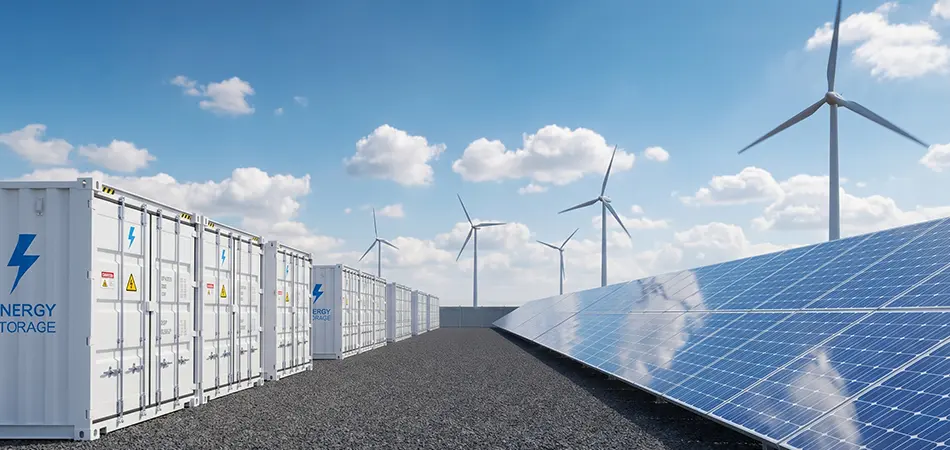
Grid-scale energy storage is no longer science fiction. The Tehachapi Energy Storage Project in Southern California was one of the first large-scale lithium-ion battery systems in the world, built to store energy from wind farms.
- Stores 8 megawatt-hours of electricity
- Helps smooth out fluctuations from renewable energy sources
- Similar projects are now being built across the U.S. at even larger scales
Why it matters: The same technology in your phone is being scaled up to power neighborhoods. Battery innovation is reshaping the energy grid.
8. Recycling Batteries Is More Important Than Most People Think
Less than 5% of lithium-ion batteries are currently recycled in the U.S. That’s a serious problem.
- Batteries contain materials like lithium, cobalt, and nickel — all finite resources
- Improperly discarded batteries can leak toxic chemicals into soil and groundwater
- Recycled battery materials can be recovered and reused in new batteries
Why it matters: Many hardware stores and electronics retailers offer free battery recycling drop-off. It takes 30 seconds and makes a real difference.
9. Solid-State Batteries Could Change Everything
The next generation of batteries is already in development, and it’s called solid-state.
- Traditional batteries use a liquid electrolyte; solid-state batteries use a solid material instead
- Benefits include higher energy density, faster charging, longer lifespan, and improved safety
- Several automakers and tech companies are racing to bring solid-state batteries to market by the late 2020s
Why it matters: Solid-state batteries could double the range of electric vehicles and cut charging time to under 10 minutes. It’s a genuine leap forward.
10. The Human Body Runs on Biological “Batteries”
Your cells generate electricity through a process called cellular respiration. The key molecule involved, ATP (adenosine triphosphate), works a lot like a rechargeable battery.
- ATP stores and releases energy to power muscle contractions, nerve signals, and organ function
- Your body produces and consumes its own weight in ATP every single day
- This is why nutrition and hydration directly affect your energy levels
Why it matters: The principles that make batteries work — storing and releasing chemical energy — are the same ones keeping you alive.
FAQs About Batteries
Q: How long do AA batteries last in storage?
Most alkaline AA batteries retain about 80% of their charge after 5–7 years in proper storage. Keep them in a cool, dry place and avoid refrigerating them, which can introduce moisture.
Q: Is it safe to leave a battery charger plugged in overnight?
For most modern devices with smart chargers, yes. The charger stops supplying current once the battery is full. However, cheap or older chargers may overcharge, generating heat and degrading the battery faster.
Q: Why does my phone battery die faster in cold weather?
Cold temperatures slow the chemical reactions inside lithium-ion batteries, temporarily reducing their output. The capacity typically returns when the battery warms back up.
Q: Can I mix old and new batteries in the same device?
We don’t recommend it. Mixing batteries with different charge levels can cause the older battery to drain faster, leak, or, in rare cases, reverse polarity, which can damage your device.
Q: What’s the difference between lithium and alkaline batteries?
Lithium batteries last longer, perform better in extreme temperatures, and are lighter — but cost more upfront. Alkaline batteries are widely available and affordable, making them a solid choice for most household devices.
Q: How do I dispose of old batteries safely?
Drop them off at a designated recycling location. Many hardware stores, electronics retailers, and municipal waste facilities accept used batteries. Never throw lithium-ion batteries in the trash.
Q: Do batteries expire if unused?
Yes. All batteries self-discharge over time, even when not in use. Alkaline batteries lose roughly 2–3% of their charge per year. Lithium batteries self-discharge much more slowly.
Q: What is a milliamp-hour (mAh) and why does it matter?
mAh measures a battery’s capacity — how much energy it can store and deliver. A higher mAh rating means longer runtime. For example, a 5,000 mAh phone battery will last roughly twice as long as a 2,500 mAh battery under the same conditions.
More Articles
0 Comments